• Starting today August 7th, 2024, in order to post in the Married Couples, Courting Couples, or Singles forums, you will not be allowed to post if you have your Marital status designated as private. Announcements will be made in the respective forums as well but please note that if yours is currently listed as Private, you will need to submit a ticket in the Support Area to have yours changed.

  • CF has always been a site that welcomes people from different backgrounds and beliefs to participate in discussion and even debate. That is the nature of its ministry. In view of recent events emotions are running very high. We need to remind people of some basic principles in debating on this site. We need to be civil when we express differences in opinion. No personal attacks. Avoid you, your statements. Don't characterize an entire political party with comparisons to Fascism or Communism or other extreme movements that committed atrocities. CF is not the place for broad brush or blanket statements about groups and political parties. Put the broad brushes and blankets away when you come to CF, better yet, put them in the incinerator. Debate had no place for them. We need to remember that people that commit acts of violence represent themselves or a small extreme faction.
  • We hope the site problems here are now solved, however, if you still have any issues, please start a ticket in Contact Us

  • The rule regarding AI content has been updated. The rule now rules as follows:

    Be sure to credit AI when copying and pasting AI sources. Link to the site of the AI search, just like linking to an article.

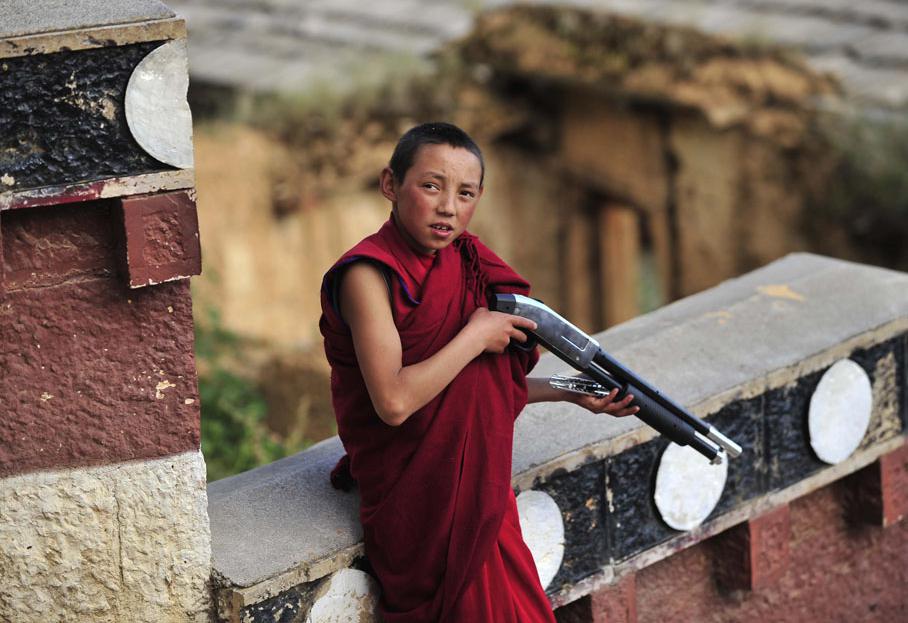
Militant Buddhists

juvenissun

... and God saw that it was good.
Apr 5, 2007
25,452
805
73
Chicago
✟139,126.00
Country
United States
Faith
Baptist
Marital Status
Married
I see. You think we are evolving away from animal nature and are biologically evolved into a better human species.

We have several thousands of years of natural history, how much do you think we have evolved toward that goal? Do you think people four thousands years ago were more like animals than we are now? Do you know Confucius wrote his script of Confucianism about three thousands years ago and most Chinese people are STILL study it very hard today?
 
Upvote 0

dlamberth

Senior Contributor
Site Supporter
Oct 12, 2003
20,227
3,205
Oregon
✟996,489.00
Gender
Male
Faith
Other Religion
Politics
US-Others
I see. You think we are evolving away from animal nature and are biologically evolved into a better human species.

We have several thousands of years of natural history, how much do you think we have evolved toward that goal? Do you think people four thousands years ago were more like animals than we are now? Do you know Confucius wrote his script of Confucianism about three thousands years ago and most Chinese people are STILL study it very hard today?
From my looking at Creation around us, life has evolved consciousness. It comes in varying degrees. In humans it has become the most developed of all other other creatures here on Earth. I have no doubt that evolution of consciousness will continue. An aspect of consciousness is the awareness that Love, Compassion and Service has on our nature as Human Beings in a positive sort of way. People are waking up to that truth. In some manor, in some way it seems the Universe leans towards the development of consciousness and right now I'd say that it's coming in the form of becoming a more human, Human Being through the lessons we learn through Love and Compassion and Service.
 
Upvote 0

juvenissun

... and God saw that it was good.
Apr 5, 2007
25,452
805
73
Chicago
✟139,126.00
Country
United States
Faith
Baptist
Marital Status
Married
From my looking at Creation around us, life has evolved consciousness. It comes in varying degrees. In humans it has become the most developed of all other other creatures here on Earth. I have no doubt that evolution of consciousness will continue. An aspect of consciousness is the awareness that Love, Compassion and Service has on our nature as Human Beings in a positive sort of way. People are waking up to that truth. In some manor, in some way it seems the Universe leans towards the development of consciousness and right now I'd say that it's coming in the form of becoming a more human, Human Being through the lessons we learn through Love and Compassion and Service.

There are only two kinds of conscious: Human kind and animal kind.
And one does not evolve into another one. And there is no evolution within each type. They are created.
 
Last edited:
Upvote 0

Eudaimonist

I believe in life before death!
Jan 1, 2003
27,482
2,738
59
American resident of Sweden
Visit site
✟134,256.00
Gender
Male
Faith
Atheist
Marital Status
Private
Politics
US-Libertarian
There are only two kinds of conscious: Human kind and animal kind.
And one does not evolve into another one. And there no evolution within each type. They are created.

Too bad that science has disproven that.


eudaimonia,

Mark
 
Upvote 0

Gxg (G²)

Pilgrim/Monastic on the Road to God (Psalm 84:1-7)
Site Supporter
Jan 25, 2009
19,769
1,429
Good Ol' South...
Visit site
✟211,337.00
Faith
Oriental Orthodox
Marital Status
Private
Politics
US-Others
I am in no way advocating for the idea that Buddhist have no right to defend themselves - or protect themselves if their rights are being violated. This is something that has always been a big deal within Christianity and often caused battles in groups saying Christians couldn't do self-defense or that Christians protecting themselves were automatically equal to those promoting mass violence in the abuse of the Tanak/Scriptures (more shared in Obama Equates ISIS to Crusades and here and here /here in Monks/Monastics vs Military Might: Is Self-Defense against Perversion Right? and but.. are they Christian?).

And of course, there are many peaceful ideals within Buddhism which Christians have echoed in the past (just as Buddhist have echoed them) - as discussed earlier here and here. Again, even the ideals of Buddha were taken to mean completely different things than what others say were intended - as we can see in regards to what Buddhists/scholars have said when it comes to Buddhist being exceptionally violent in the name of achieving Buddhahood and having their actions based in Buddhism through Asian history (as Dr. Stephen Turnbull and others have noted best here or here with the Japanese Warrior Monks AD 949-1603 and many others in history, from Sri Lanka's Violent Buddhists and
Myanmar's Buddhist or Col. Sugimoto Gorō and other instances which Buddhists have pointed out for accuracy...more in
"Buddhist Warfare": Is Buddhism A Religion of Peace?"

).

violence_horiz.jpg


840239.jpg

Was thinking recently and considering the example of the Sōhei - Buddhist Warrior Monks in Medieval and Feudal Japan

As said elsewhere, for a brief excerpt, in The Sohei | Together With Japan:


The sohei existed because of an astonishingly simple question. What force on Earth had the authority to tell Buddhist monks what to do? To Japan, Buddhism was an imported religion. It existed in multiple sects. No one had ever established that they answered to the Japanese Emperor; at any rate, the rise of the samurai had eroded the Emperor’s secular authority centuries before the sohei stormed onto the scene.

If two Buddhist sects had a dispute, who would settle it for them? No one.

If two Buddhist sects had a dispute that became an armed confrontation, who would fight for them? No one.

If two Buddhist sects fought in the open, who would interfere to prevent the stronger side from winning? No one.

This situation, a product of the same social and political upheavals that produced the rule of the Shogun and a hardening of the role of the samurai, produced the sohei.


A Force Unto Themselves
There are three things beyond my control: the rapids on the Kamo river, the dice at gambling, and the monks of the mountain. – Emperor Go Shirakawa-in, 12th century

Sohei were instantly recognizable because of the white cowls they wore over their heads (which were shaved, like all monks). Otherwise, they were armed much like samurai, right down to steel helmets under the cowls. In other words, they were armed according to the prevailing conditions of their day. Thinking of them as temple samurai would not be an exaggeration.

Some might recoil at the whole idea, but Buddhism would never have thrived in Japan if people had interpreted it as a religion of pure pacifism. Besides, if you’re on a holy crusade, a lot of what might otherwise be condemned as unnecessary violence suddenly becomes necessary violence.

The point being, sohei co-existed with samurai during the same period. It isn’t much of a stretch to say that they recruited from a lot of the same talent pools.

Thanks to their holy status, and their all too temporal might, the temples became forces unto themselves.

If they had not, these temples, often centers of local or even regional commerce and, even if this was disregarded, sources of money due to visits by pious pilgrims, would find themselves at the mercy of others, to be exploited or simply plundered at will. Thanks to the sohei, this was not the case – to the point that these groups came to be considered a threat to the warlords of Japan.

Weapons and Armor
Like samurai, sohei used katana and tanto (the latter being reinforced daggers capable of penetrating armor, a standard samurai back-up weapon throughout their history). Also like samurai, they included a considerable number of skilled archers, for otherwise they would have difficulty defending high places. In addition, they wore armor that was virtually indistinguishable from the samurai yoroi (armor) of the day, except for the white cowls.

Unlike the samurai, sohei became known as particularly heavy users of the naginata, a polearm with a wooden shaft and a slightly curved blade. This made the weapon useful both as a swinging weapon, with greater reach than than the katana, and as a thrusting weapon, used in packed formations. Thus, it was ideal as a weapon for defense and counter-attack on temple grounds, allowing a single man to attempt to hold a doorway, but also allowing a packed formation to swiftly go on the assault.

Sohei often carried a portable shrine, or mikoshi, with them on campaigns. Committing violence in the presence of such a holy object was considered blasphemous… though certain warlords could have cared less, seeing armed monks as blasphemy in and of itself. At any rate, this served as protection from ordinary soldiers, not rival sohei with their own rival divine beliefs (and carrying their own mikoshi).

History of the Sohei
Origins
In the 10th century, the Emperor and his government still retained a great deal of power. This power included the authority to appoint which monk would run a particular temple. However, the factional divisions within Buddhist monks and the simple realities of palace politics meant that a member of one faction could be appointed as the head of a temple controlled by a rival faction.

This, of course, did not go down very well.

Protests began. Eventually, there were protests of this nature which ended in brawls in the streets, accompanied by fatalities. A dispute between two shrines led to the establishment of a standing army of monks at the Yasaka Shrine in Kyoto. This led to a warrior monk arms race, if you will, as disputes over appointments, and the personal honor of the leaders of various religious complexes, broke out into limited armed conflict.

These disputes expanded at times, but at others, were prone to long periods of complete peace. Nonetheless, new grievances arose and once again, even larger armies of sohei dueled with each other. Finally, in 1121, the Mii-dera complex was burned to the ground by monks from Enryaku-ji. (And in 1141, they came back and did it again!) Other temples became embroiled into conflicts, and the Mii-dera and Enryaku-ji rivals joined forces against other powerful temples.


The Genpei War
Sohei were combatants on both sides of the “Genpei” civil conflict. Thus, monks who would have gladly fought for themselves were fighting rivals working for the other side. The temples of losing factions were burned to the ground in retaliation for defiance. Overall, these stories were footnotes as part of the grander conflict that produced the shogunate.

The Peak of Sohei Influence
The 13th and 14th centuries were as good as it got for sohei. Though they first had to rebuild, physically as well as politically, the mere existence of the sohei helped the temples get what they wanted from the shogunate without violence. Furthermore, they were able to stay largely aloof during other civil disputes of the time. This meant they could husband their economic and military resources and remain bastions of power, untamed by secular forces, and simply not worth the trouble to humble.

Put another way, deliberate attempts to use appointments to debilitate strongly established factions tapered off. There was less need to protest, and less reason to fight each other.

Notwithstanding this, the rise of Zen, and the support given to Zen by the Ashikaga shogunate, gave rise to new conflicts, with the established temples seeking to defend their power and influence from the upstarts.


Upvote 0

Gxg (G²)

Pilgrim/Monastic on the Road to God (Psalm 84:1-7)
Site Supporter
Jan 25, 2009
19,769
1,429
Good Ol' South...
Visit site
✟211,337.00
Faith
Oriental Orthodox
Marital Status
Private
Politics
US-Others
It has happened twice today that I came across the phrase, "militant Buddhist." I'm a bit surprised.

What are your thoughts? Is that one of the paths people generally don't talk about?
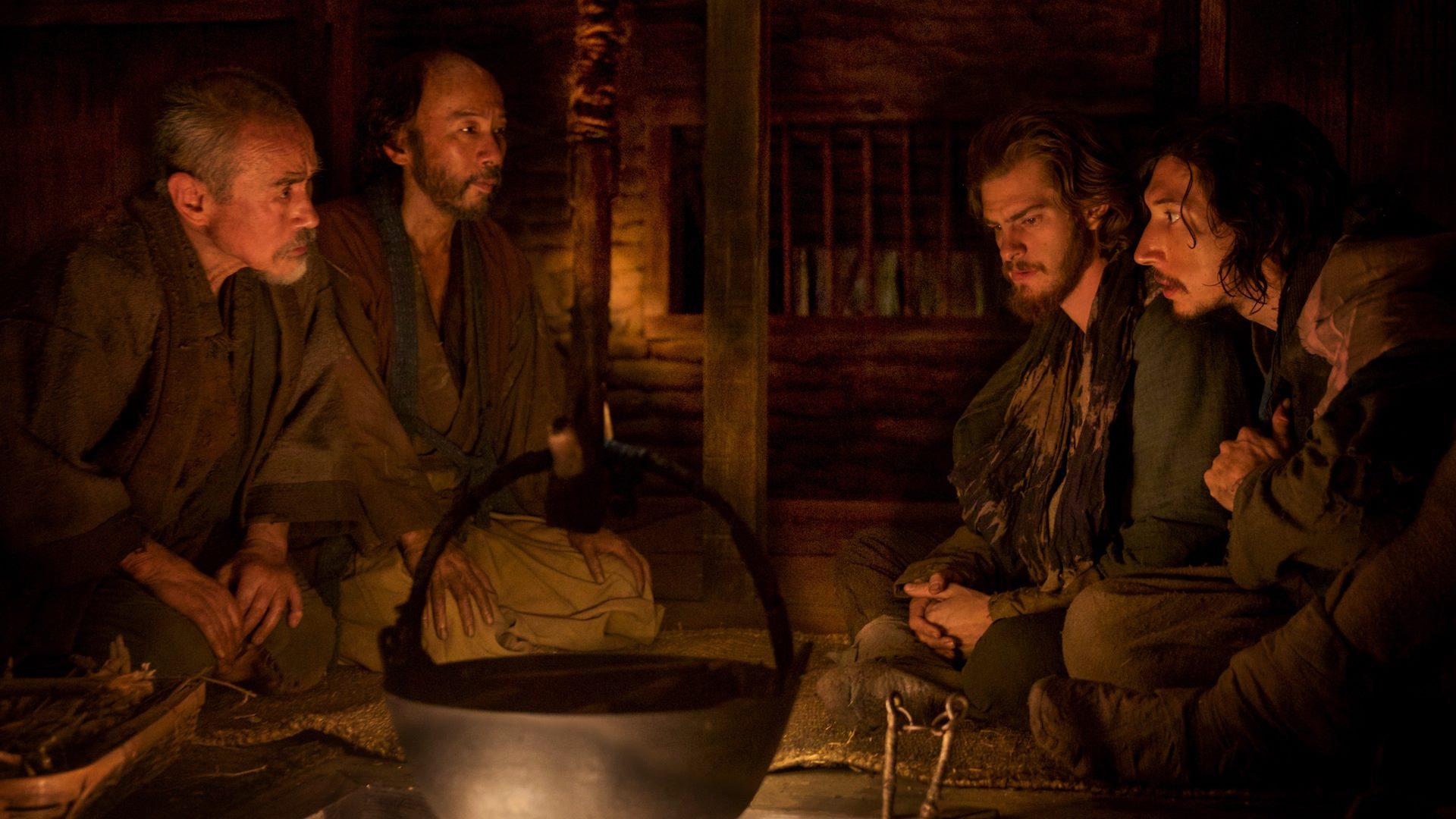
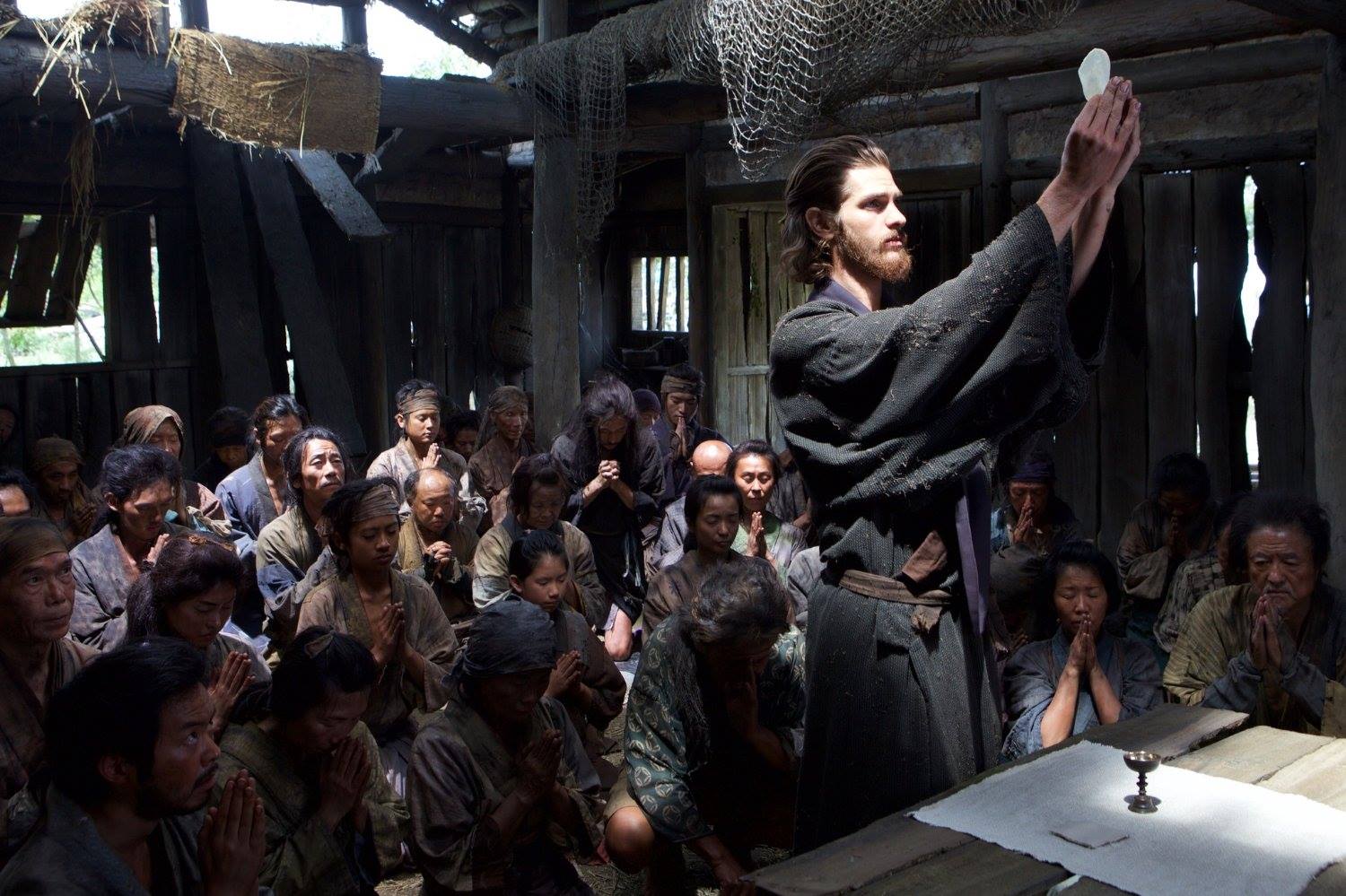
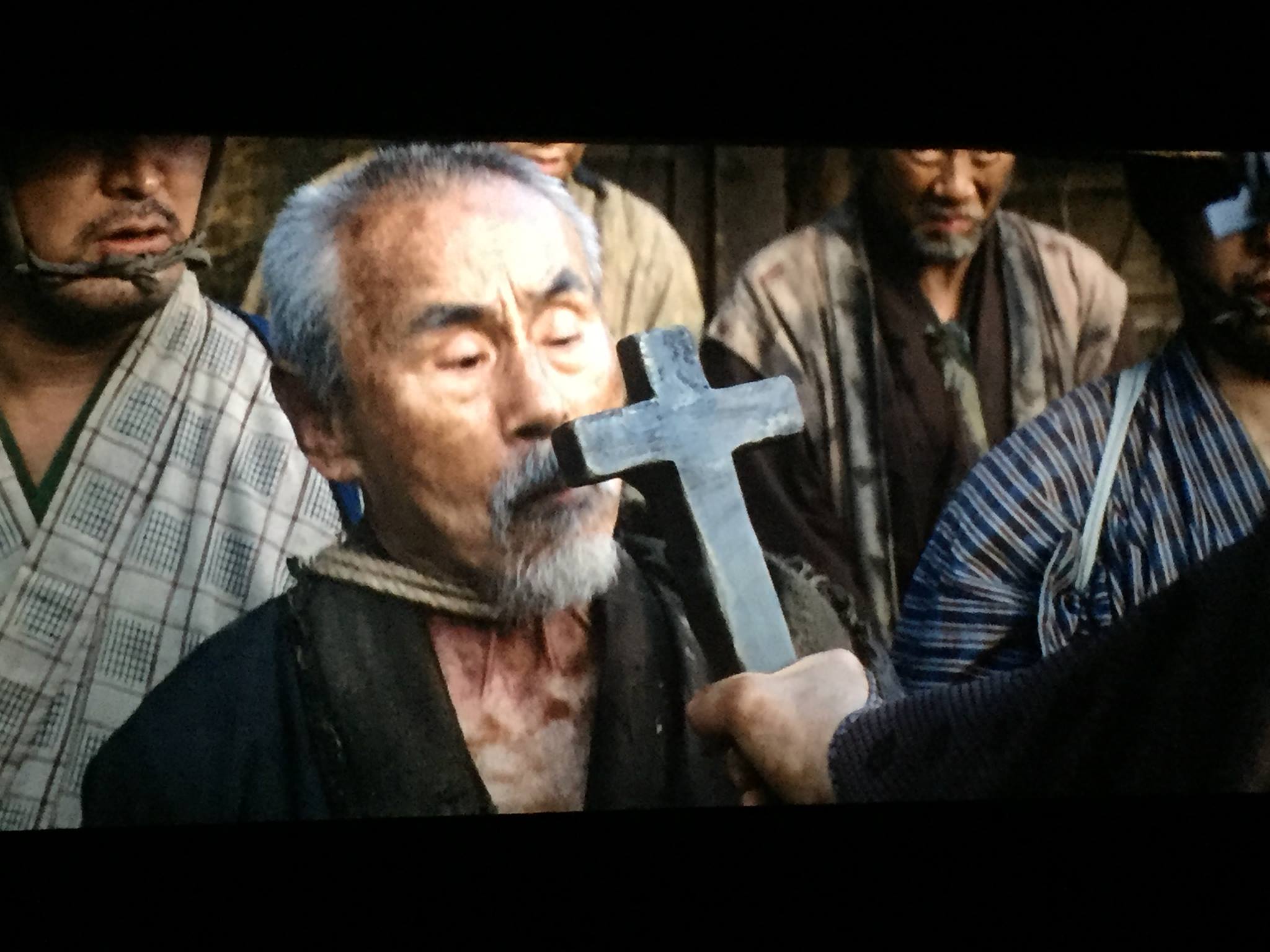
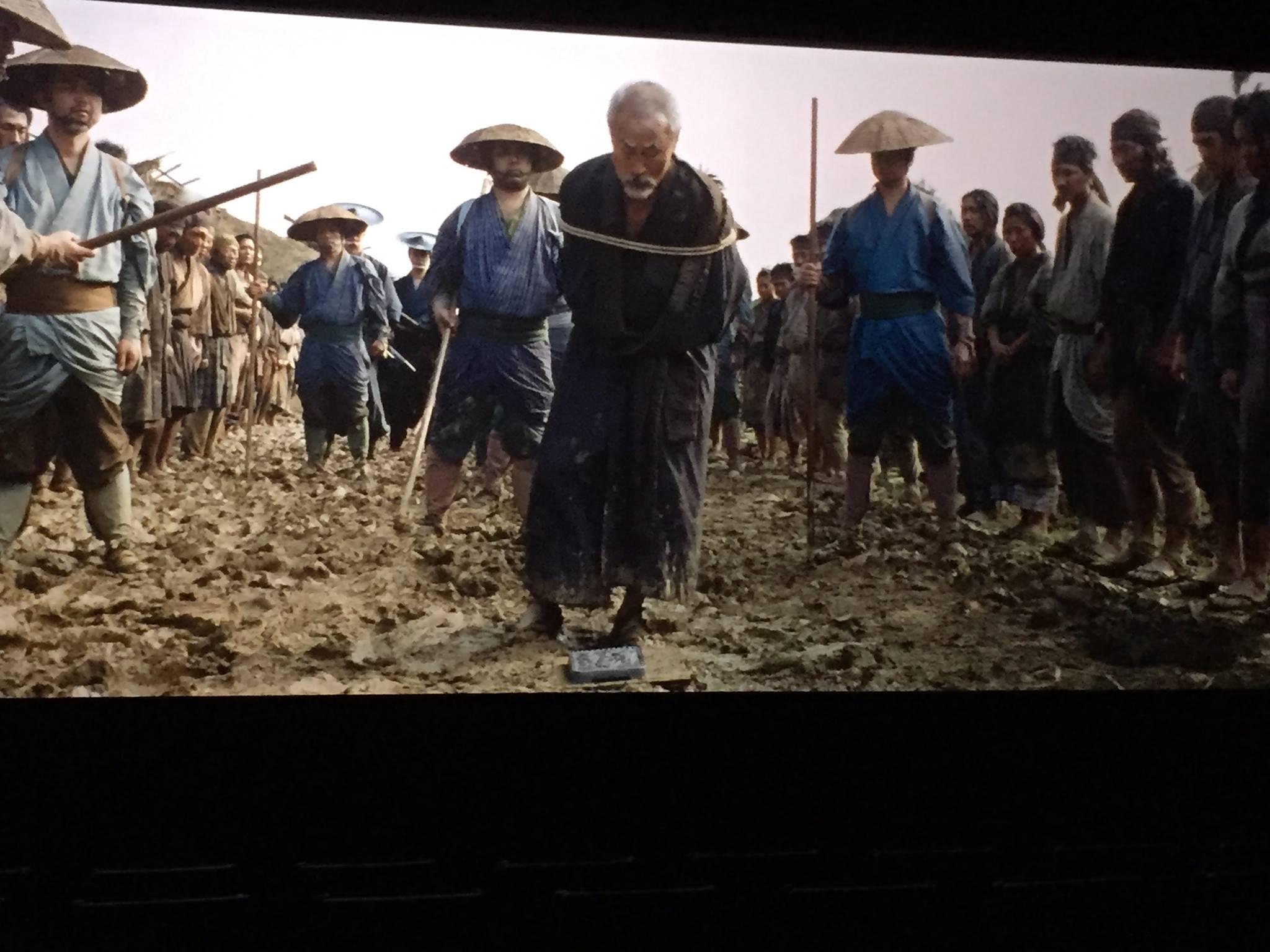
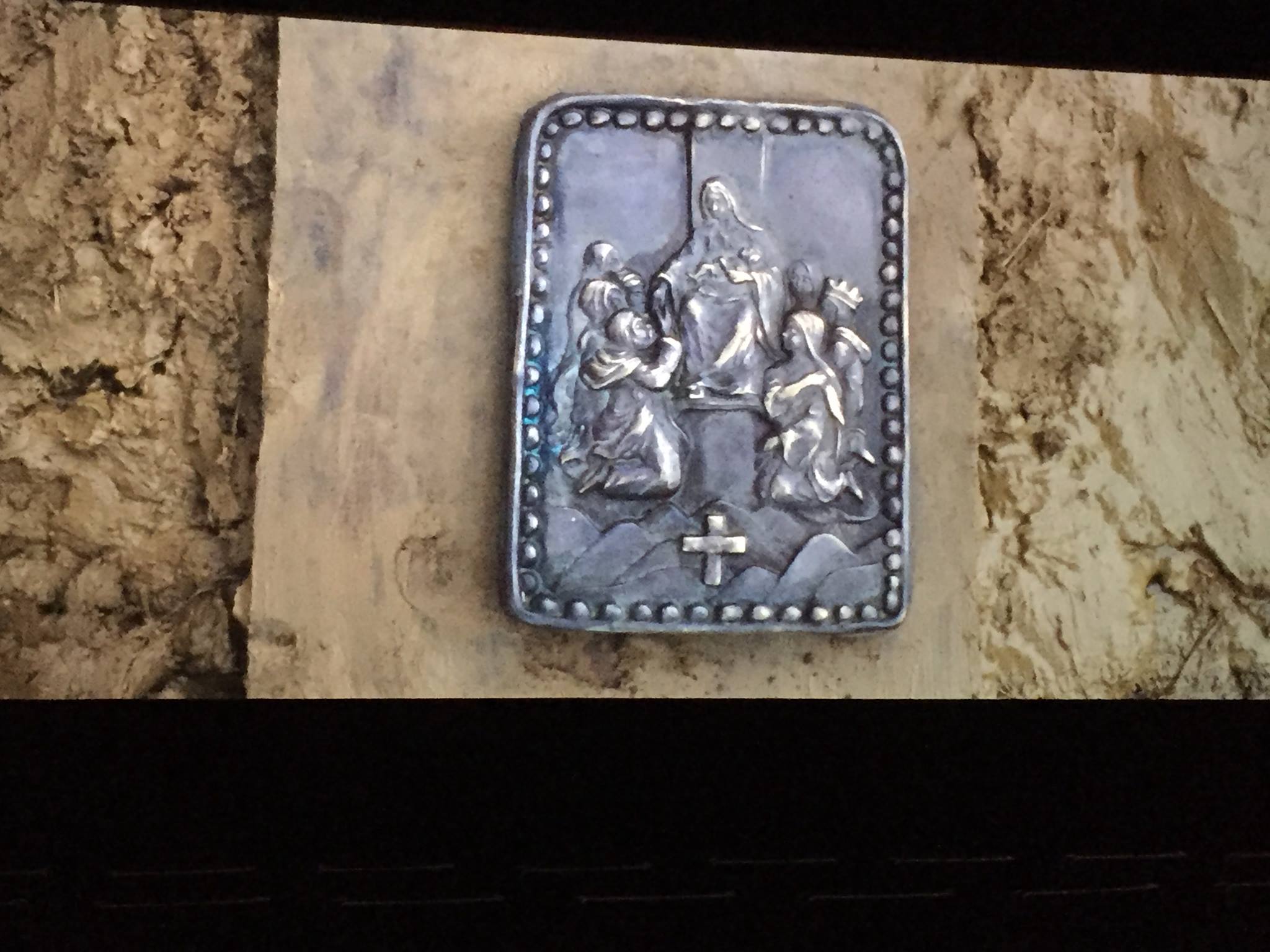
If you've not yet seen the film "Silence", I think it's truly one of the best films showing what Militant Buddhism looks like in certain eras/incarnations.

I feel it's among the most powerful films I've seen this year with regards to what Japan's Christians faced for centuries....and what they did to survive alongside others for centuries.

For anyone not aware of the struggle of the Kakure Kirishitan/ Hidden Christians and their experience with the global church outside of their world as well as the priests sent to help them as they adapted to the religious world around them...this is something that will really cause intensive discussion on how to keep your faith (and what happens when you lose it - and just how much grace God really has when you falter).

There was also a very stellar point that arose in regards to the place of violence in the world - and how it has been used by all camps when it comes to religion. It was not that long ago when Christianity via the Spanish Empire expanded itself through others claiming Peace/Shalom and yet justifying wholesale slaughter if/when you did not convert to their thoughts, with others seeking to combat people quoting the name of Christ as government officials wanting to expand their political reach...while the missionaries found it difficult representing for their faith when their countries of origin were very contradictory. The same can be said with regards to what happened in Buddhism, as the same people being fearful in Japan of European intrusion (and thus, fearful of Christianity) went against ideals of peace by choosing to slaughter others in religions different than them - DESPITE the fact that there were Buddhists who vehemently disagreed with the violent antics while their Buddhist neighbors mocked the Christians. We see the same happening in our world today on differing levels and we need to keep it in mind when it comes to how we converse....

For some awesome reviews, one can consider here (Silence – Christian Movie Review & How Martin Scorsese Shows a Tender Empathy for Persecuted Christians ) and here as well (https://mereorthodoxy.com/silence-martin-scorsese-review/ )

16179309_10102677388793423_2155616324834609995_o.jpg


16177623_10102677400220523_5878274262955380586_o.jpg


16113113_10102676538716983_1960648975999976378_o.jpg


16177825_10102676539171073_2050487376349961777_o.jpg


16179413_10102676539470473_4616500604490807617_o.jpg
 
Upvote 0

FireDragon76

Well-Known Member
Site Supporter
Apr 30, 2013
34,020
21,084
Orlando, Florida
✟1,608,154.00
Country
United States
Gender
Male
Faith
United Ch. of Christ
Marital Status
Private
Politics
US-Democrat
The Samurai in Japan were very much followers of Buddhism, mostly Zen, but were a warrior class.
Likewise we see Buddhist warrior monks in both Japan and China.

There is even a Buddhist "goddess of war", Marici or Marishi (Japan). The Samurai venerated her- technically she represents protection from the privations of war.

It was a form of Enlightenment in everyday life, by not being tied down while still acting in a normal manner - the occupation just happened to be War.

The attitude is similar to the Lutheran/Reformed concept of vocation. War isn't an ideal in Christianity, either, but we recognize sometimes it is just the way things have to be
 
Upvote 0

Gxg (G²)

Pilgrim/Monastic on the Road to God (Psalm 84:1-7)
Site Supporter
Jan 25, 2009
19,769
1,429
Good Ol' South...
Visit site
✟211,337.00
Faith
Oriental Orthodox
Marital Status
Private
Politics
US-Others
There is even a Buddhist "goddess of war", Marici or Marishi (Japan). The Samurai venerated her- technically she represents protection from the privations of war.
The Samurai also hated and did not get along well with other Buddhist in warrior classes, such as the temple monks known as The Sohei
 
Upvote 0

FireDragon76

Well-Known Member
Site Supporter
Apr 30, 2013
34,020
21,084
Orlando, Florida
✟1,608,154.00
Country
United States
Gender
Male
Faith
United Ch. of Christ
Marital Status
Private
Politics
US-Democrat
The Samurai also hated and did not get along well with other Buddhist in warrior classes, such as the temple monks known as The Sohei

The samurai was more of a policeman/hired muscle, and his duty was purely secular. He might be deeply spiritual, but it was just a tool towards accomplishing his duty. The sohei's duty was to his religion, that is why the Samurai might not care for him, he was "otherworldly".

Religious violence wasn't that rare in Japan. Sects would sometimes arm themselves and attack their rivals. Japan's "Luther", Shinran, was even ambushed by a rival who was angered by the popularity of his teaching, and threatened to kill him. He managed to persuade the man to embrace his teaching of pure entrusting (shinjin) to an otherworldly power, by proclaiming to him that he, Shinran, himself was a hopeless slave to murderous passions, and could only find deliverance in the other world. The display of sincerity and humility won over his rival, and he embraced his faith.
 
Last edited:
Upvote 0

Gxg (G²)

Pilgrim/Monastic on the Road to God (Psalm 84:1-7)
Site Supporter
Jan 25, 2009
19,769
1,429
Good Ol' South...
Visit site
✟211,337.00
Faith
Oriental Orthodox
Marital Status
Private
Politics
US-Others
The samurai was more of a policeman/hired muscle, and his duty was purely secular. He might be deeply spiritual, but it was just a tool towards accomplishing his duty. The sohei's duty was to his religion, that is why the Samurai might not care for him, he was "otherworldly".
.
Not all Samurai found a distance between their religion and work, seeing how many merged the two. But with the Sohei being strictly focused on their religion as the basis for their actions/violence, it was a different world. And with other Samurai who were beyond simple hired help, it made a difference seeing what the Sohei did.

As said before here on the Sohei,

Was thinking recently and considering the example of the Sōhei - Buddhist Warrior Monks in Medieval and Feudal Japan

As said elsewhere, for a brief excerpt, in The Sohei | Together With Japan:


The sohei existed because of an astonishingly simple question. What force on Earth had the authority to tell Buddhist monks what to do? To Japan, Buddhism was an imported religion. It existed in multiple sects. No one had ever established that they answered to the Japanese Emperor; at any rate, the rise of the samurai had eroded the Emperor’s secular authority centuries before the sohei stormed onto the scene.

If two Buddhist sects had a dispute, who would settle it for them? No one.

If two Buddhist sects had a dispute that became an armed confrontation, who would fight for them? No one.

If two Buddhist sects fought in the open, who would interfere to prevent the stronger side from winning? No one.

This situation, a product of the same social and political upheavals that produced the rule of the Shogun and a hardening of the role of the samurai, produced the sohei.


A Force Unto Themselves
There are three things beyond my control: the rapids on the Kamo river, the dice at gambling, and the monks of the mountain. – Emperor Go Shirakawa-in, 12th century

Sohei were instantly recognizable because of the white cowls they wore over their heads (which were shaved, like all monks). Otherwise, they were armed much like samurai, right down to steel helmets under the cowls. In other words, they were armed according to the prevailing conditions of their day. Thinking of them as temple samurai would not be an exaggeration.

Some might recoil at the whole idea, but Buddhism would never have thrived in Japan if people had interpreted it as a religion of pure pacifism. Besides, if you’re on a holy crusade, a lot of what might otherwise be condemned as unnecessary violence suddenly becomes necessary violence.

The point being, sohei co-existed with samurai during the same period. It isn’t much of a stretch to say that they recruited from a lot of the same talent pools.

Thanks to their holy status, and their all too temporal might, the temples became forces unto themselves.

If they had not, these temples, often centers of local or even regional commerce and, even if this was disregarded, sources of money due to visits by pious pilgrims, would find themselves at the mercy of others, to be exploited or simply plundered at will. Thanks to the sohei, this was not the case – to the point that these groups came to be considered a threat to the warlords of Japan.

Weapons and Armor
Like samurai, sohei used katana and tanto (the latter being reinforced daggers capable of penetrating armor, a standard samurai back-up weapon throughout their history). Also like samurai, they included a considerable number of skilled archers, for otherwise they would have difficulty defending high places. In addition, they wore armor that was virtually indistinguishable from the samurai yoroi (armor) of the day, except for the white cowls.

Unlike the samurai, sohei became known as particularly heavy users of the naginata, a polearm with a wooden shaft and a slightly curved blade. This made the weapon useful both as a swinging weapon, with greater reach than than the katana, and as a thrusting weapon, used in packed formations. Thus, it was ideal as a weapon for defense and counter-attack on temple grounds, allowing a single man to attempt to hold a doorway, but also allowing a packed formation to swiftly go on the assault.

Sohei often carried a portable shrine, or mikoshi, with them on campaigns. Committing violence in the presence of such a holy object was considered blasphemous… though certain warlords could have cared less, seeing armed monks as blasphemy in and of itself. At any rate, this served as protection from ordinary soldiers, not rival sohei with their own rival divine beliefs (and carrying their own mikoshi).

History of the Sohei
Origins
In the 10th century, the Emperor and his government still retained a great deal of power. This power included the authority to appoint which monk would run a particular temple. However, the factional divisions within Buddhist monks and the simple realities of palace politics meant that a member of one faction could be appointed as the head of a temple controlled by a rival faction.

This, of course, did not go down very well.

Protests began. Eventually, there were protests of this nature which ended in brawls in the streets, accompanied by fatalities. A dispute between two shrines led to the establishment of a standing army of monks at the Yasaka Shrine in Kyoto. This led to a warrior monk arms race, if you will, as disputes over appointments, and the personal honor of the leaders of various religious complexes, broke out into limited armed conflict.

These disputes expanded at times, but at others, were prone to long periods of complete peace. Nonetheless, new grievances arose and once again, even larger armies of sohei dueled with each other. Finally, in 1121, the Mii-dera complex was burned to the ground by monks from Enryaku-ji. (And in 1141, they came back and did it again!) Other temples became embroiled into conflicts, and the Mii-dera and Enryaku-ji rivals joined forces against other powerful temples.


The Genpei War
Sohei were combatants on both sides of the “Genpei” civil conflict. Thus, monks who would have gladly fought for themselves were fighting rivals working for the other side. The temples of losing factions were burned to the ground in retaliation for defiance. Overall, these stories were footnotes as part of the grander conflict that produced the shogunate.

The Peak of Sohei Influence
The 13th and 14th centuries were as good as it got for sohei. Though they first had to rebuild, physically as well as politically, the mere existence of the sohei helped the temples get what they wanted from the shogunate without violence. Furthermore, they were able to stay largely aloof during other civil disputes of the time. This meant they could husband their economic and military resources and remain bastions of power, untamed by secular forces, and simply not worth the trouble to humble.

Put another way, deliberate attempts to use appointments to debilitate strongly established factions tapered off. There was less need to protest, and less reason to fight each other.

Notwithstanding this, the rise of Zen, and the support given to Zen by the Ashikaga shogunate, gave rise to new conflicts, with the established temples seeking to defend their power and influence from the upstarts.


Of course, for others experiencing the violence, it is interesting how things ultimately played out.
Religious violence wasn't that rare in Japan.
Japanese Hidden Christians knew that well - AND with Japan's history of exclusion AND suppression toward Christianity for centuries and the revelation of many Christian groups still practicing in secret (more shared here and here and here), there needs to be more awareness. Thankful that films like Silence brought that back into the forefront when seeing what priests/leaders were helping to make possible when persecuting Japanese Hidden Christians. I Saw the film last month - and there are many exceptional points in the film. The film definitely adds to the importance of studying violence in the history of the Church (and persecution) and realizing where developments since then are highly crucial -


I feel it's among the most powerful films I've seen this year with regards to what Japan's Christians faced for centuries....and what they did to survive alongside others for centuries. Some of this was shared earlier on the film:

If you've not yet seen the film "Silence", I think it's truly one of the best films showing what Militant Buddhism looks like in certain eras/incarnations.

I feel it's among the most powerful films I've seen this year with regards to what Japan's Christians faced for centuries....and what they did to survive alongside others for centuries.

For anyone not aware of the struggle of the Kakure Kirishitan/ Hidden Christians and their experience with the global church outside of their world as well as the priests sent to help them as they adapted to the religious world around them...this is something that will really cause intensive discussion on how to keep your faith (and what happens when you lose it - and just how much grace God really has when you falter).

There was also a very stellar point that arose in regards to the place of violence in the world - and how it has been used by all camps when it comes to religion. It was not that long ago when Christianity via the Spanish Empire expanded itself through others claiming Peace/Shalom and yet justifying wholesale slaughter if/when you did not convert to their thoughts, with others seeking to combat people quoting the name of Christ as government officials wanting to expand their political reach...while the missionaries found it difficult representing for their faith when their countries of origin were very contradictory. The same can be said with regards to what happened in Buddhism, as the same people being fearful in Japan of European intrusion (and thus, fearful of Christianity) went against ideals of peace by choosing to slaughter others in religions different than them - DESPITE the fact that there were Buddhists who vehemently disagreed with the violent antics while their Buddhist neighbors mocked the Christians. We see the same happening in our world today on differing levels and we need to keep it in mind when it comes to how we converse....

For some awesome reviews, one can consider here (Silence – Christian Movie Review & How Martin Scorsese Shows a Tender Empathy for Persecuted Christians ) and here as well (https://mereorthodoxy.com/silence-martin-scorsese-review/ )

16179309_10102677388793423_2155616324834609995_o.jpg


16177623_10102677400220523_5878274262955380586_o.jpg


16113113_10102676538716983_1960648975999976378_o.jpg


16177825_10102676539171073_2050487376349961777_o.jpg


16179413_10102676539470473_4616500604490807617_o.jpg

It would be odd for anyone to say violence wasn't prevalent..

Sects would sometimes arm themselves and attack their rivals. Japan's "Luther", Shinran, was even ambushed by a rival who was angered by the popularity of his teaching, and threatened to kill him. He managed to persuade the man to embrace his teaching of pure entrusting (shinjin) to an otherworldly power, by proclaiming to him that he, Shinran, himself was a hopeless slave to murderous passions, and could only find deliverance in the other world. The display of sincerity and humility won over his rival, and he embraced his faith
Indeed.
 
Last edited:
Upvote 0