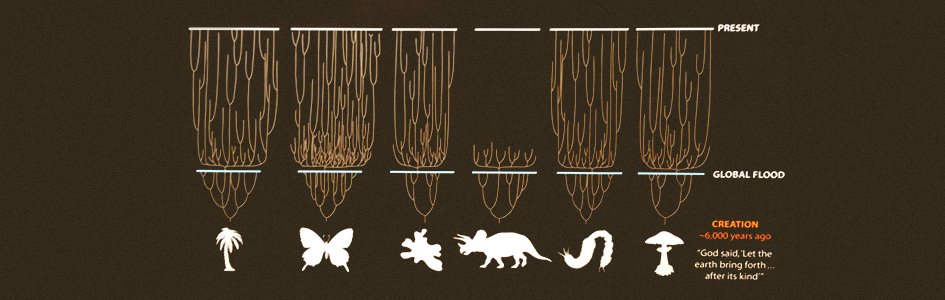
Well, technically, evolution within a species is microevolution, and speciation is macroevolution. But it's a fuzzy boundary, with no clear border. In fact, in the case of ring species or clines, microevolution can retroactively become macroevolution. Leopard frogs in North America are like that. Adjacent populations can interbreed, but the far north and far south populations cannot. If the intermediate populations were to go extinct, there would be two species of leopard frogs.
And in nature, we see lots of cases (as Darwin predicted) of intermediate forms that have evolved almost to speciation, but not quite. This is a huge problem for YEC, but not for science.
Edit: Perhaps you were asking about the actual isolating mechanism. It can vary. For example, there are many birds that will not interbreed in the wild, but can, in captivity, be induced to interbreed. They are two separate species. There are species like brown bears and polar bears that only recently evolved into two species. They have interbred in zoos, but until recently they haven't done so in nature because they live in entirely different habitats. As the world warms up, the polar bears are losing habitat, and are coming ashore to forage. And we are seeing some pizzley bears or grolar bears or whatever in Canada, now.
In other cases such as humans and other apes, a chromosome fusion makes a cross very likely impossible; the chromosomes just don't line up correctly. In other cases, there are developmental problems that kill the embryo before development. It's complex.