• Starting today August 7th, 2024, in order to post in the Married Couples, Courting Couples, or Singles forums, you will not be allowed to post if you have your Marital status designated as private. Announcements will be made in the respective forums as well but please note that if yours is currently listed as Private, you will need to submit a ticket in the Support Area to have yours changed.

  • CF has always been a site that welcomes people from different backgrounds and beliefs to participate in discussion and even debate. That is the nature of its ministry. In view of recent events emotions are running very high. We need to remind people of some basic principles in debating on this site. We need to be civil when we express differences in opinion. No personal attacks. Avoid you, your statements. Don't characterize an entire political party with comparisons to Fascism or Communism or other extreme movements that committed atrocities. CF is not the place for broad brush or blanket statements about groups and political parties. Put the broad brushes and blankets away when you come to CF, better yet, put them in the incinerator. Debate had no place for them. We need to remember that people that commit acts of violence represent themselves or a small extreme faction.
  • We hope the site problems here are now solved, however, if you still have any issues, please start a ticket in Contact Us

This entry is in the series "Encouragement"
Encouragement
Repentance​

There are three Greek words used in the New Testament to denote repentance:
  1. The verb metamelomai is used of a change of mind, such as to produce regret or even remorse on account of sin, but not necessarily a change of heart. This word is used with reference to the repentance of Judas (Matthew 27:3).
  2. Metanoeo, meaning to change one's mind and purpose, as the result of after knowledge.
  3. This verb, with the cognate noun metanoia, is used of true repentance, a change of mind and purpose and life, to which remission of sin is promised.
Evangelical repentance consists of:
  1. a true sense of one's own guilt and sinfulness;
  2. an apprehension of God's mercy in Christ;
  3. an actual hatred of sin (Psalms 119:128; Job 42:5-6; 2 Corinthians 7:10) and turning from it to God; and
  4. a persistent endeavor after a holy life in a walking with God in the way of his commandments.
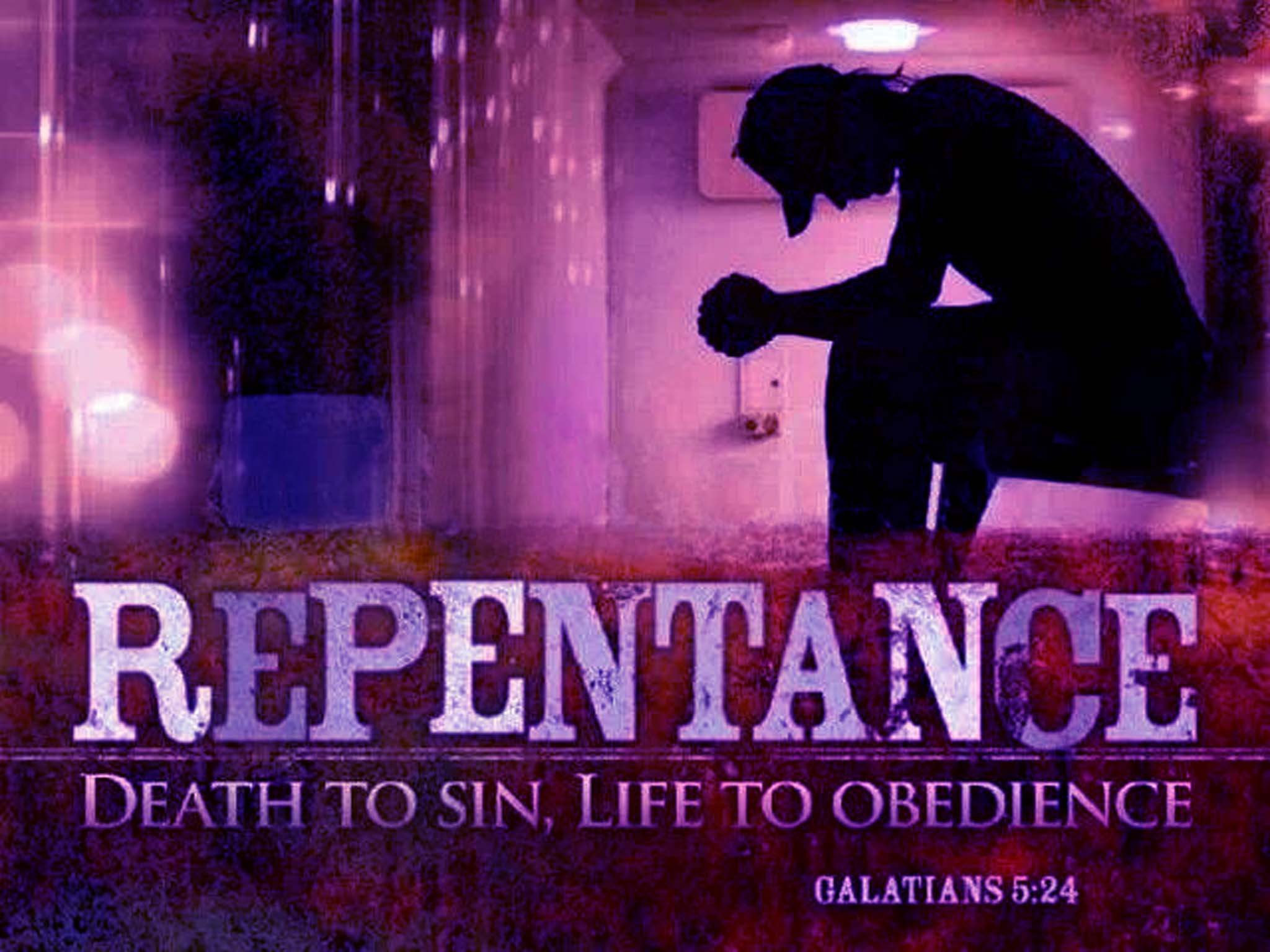
The true penitent is conscious of guilt (Psalms 51:4; Psalms 51:9), of pollution (Psalms 51:5; Psalms 51:7; Psalms 51:10), and of helplessness (Psalms 51:11; Psalms 109:21-22). Thus he apprehends himself to be just what God has always seen him to be and declares him to be. But repentance comprehends not only such a sense of sin, but also an apprehension of mercy, without which there can be no true repentance (Psalms 51:1; Psalms 130:4).

282319_f3e0107348629762cccad6d2a780f57f.jpg


24 And they that are Christ's have crucified the flesh with the affections and lusts. —Galatians 5:24 (KJV)

Reference

  • Source: Easton's Bible Dictionary, M. G. Easton
  • Bible Word Search: Repent, Repentance

Next entry in the series 'Encouragement': Works Of The Holy Spirit In The Bible
Previous entry in the series 'Encouragement': Love Comes From God
  • Like
Reactions: adnan007

Comments

There are no comments to display.

Blog entry information

Author
Pilgrim
Read time
2 min read
Views
3,089
Last update

More entries in Christian Forums

More entries from Pilgrim

Share this entry