I still don't understand. This is holding me back from a relationship with God. Why was Jesus crying out to God on the cross if he was God?
1) Jesus was quoting a Psalm.
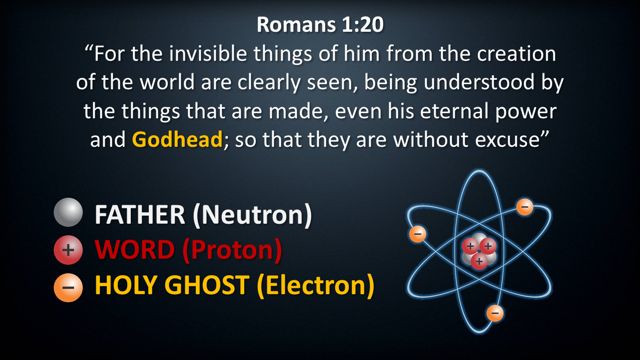
2) Jesus (the Son) and the Father are distinct Persons.
A key word we use in Trinitarian theology is homoousios, it means "of one Being" or "of one Essence", from the words homo (same) and ousios (being). So in the Nicene Creed we confess that Jesus Christ, the only-begotten Son is "of one Being (homoousios) with the Father). Thus the Son is what the Father is, since the Father is God, indeed the one and only God, the Son likewise is God--the one and only God. Here is the relevant statement from the Nicene Creed:
"And in one Lord Jesus Christ, the only Son of God, eternally begotten of the Father, God of God, Light of Light, very God of very God, begotten, not made; of one Being with the Father."
The language used was chosen very carefully. The historical context in which this statement was made is the Arian controversy of the 4th century, and each point made is made directly to counter Arianism.
Arius of Alexandria taught that the Son, because He was begotten of the Father, was therefore a creature, the very first creature, but still a creature. As such Arius taught that the Son's being was other than, but maybe similar to, the Father, so the Arians might say the Son was "heteroousios" (of another being) or that the Son was homoiousios (of a similar being). Thus the Son was God, but a different God, a secondary God, begotten and created at a specific time.
"eternally begotten of the Father" is a modern way of rendering the more literal "begotten of the Father before all ages", that is the Son has no beginning, the Son always has been. The Son did not come into being, but eternally
is.
"God of God, Light of Light, very God of very God" means that God the Father has begotten God, not another God, not a god, not a creature, not a something-other, but a Same-As. The one and only God has begotten the one and only God. God begets God, the Eternal begets the Eternal, the Almighty begets the Almighty.
"begotten, not made" explicitly rejects the Arian belief that begotten means the Son is created. The Son's begottenness, His generation, does not make Him a creature; because the Son's generation is eternal. The Uncreated begets the Uncreated. Begottenness or generation refers not to an event in time, but to an eternal reality of the Father and Son's relationship to one another. The Son has His eternal, uncreated Being from and in the Father, because He is...
"of one Being with the Father" All that the Father is, the Son is also. For the Son is everything that the Father is: God, Eternal, Almighty, Uncreated, etc.
There are two Persons, but one Being. The Son's Being is the Father's Being, and so He is God. God with God, God of God, truly and very God of truly and very God. There never was a time when the Son was not.
And these things are true of the Holy Spirit, as the Creed says concerning the Spirit:
"And we believe in the Holy Spirit, the Lord and giver of life. Who proceeds from the Father [and the Son], who with the Father and the Son is worshiped and glorified."
He is called "Lord", the same as the Father and the Son are Lord, and not three lords, but one Lord.
He is called "Giver of life", because there is no life apart from Him, for He was there in the beginning, and He is present and active giving us life with God, in Christ.
He proceeds from the Father [and the Son*] because He has His Being from the Father [and the Son]; as the Father and the Son are indeed true God, so the Holy Spirit is indeed true God. Having His eternal procession as truly and very God, of one Being with the Father and the Son and therefore...
"who with the Father and the Son is worshiped and glorified." For only God is worshiped and glorified, therefore the Spirit, being truly God, even as the Father is God and the Son is God, is worthy of all glory, honor, praise, thanksgiving, and worship.
The Father is God.
The Son is God.
The Holy Spirit is God.
One God.
-CryptoLutheran
*Originally the Creed said "Who proceeds from the Father", but in the middle ages in the West the Creed was changed to say, "Who proceeds from the Father and the Son". This phrase "and the Son" is one word in Latin (Filioque), and is known as the Filioque Controversy because it was a hugely controversial issue between the Eastern and Western Churches a thousand years ago, and continues to be a major point of controversy even today. The matter is a complicated one, and best left for its own discussion. But it is considered generally "safe" to include the phrase in brackets for the sake of civility, because there are Christians who use the Creed both with and without the Filioque clause here on Christian Forums.



 .
.