- Apr 3, 2003
- 30,876
- 13,901
- 78
- Country
- United States
- Gender
- Male
- Faith
- Catholic
- Marital Status
- Married
- Politics
- US-Libertarian
Starting today August 7th, 2024, in order to post in the Married Couples, Courting Couples, or Singles forums, you will not be allowed to post if you have your Marital status designated as private. Announcements will be made in the respective forums as well but please note that if yours is currently listed as Private, you will need to submit a ticket in the Support Area to have yours changed.

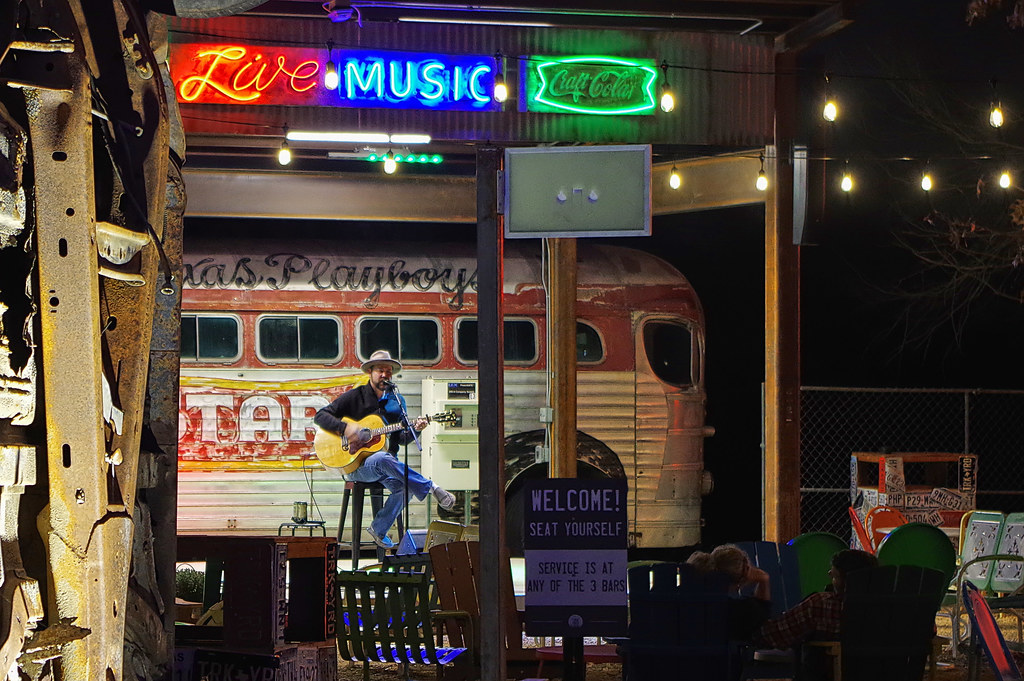
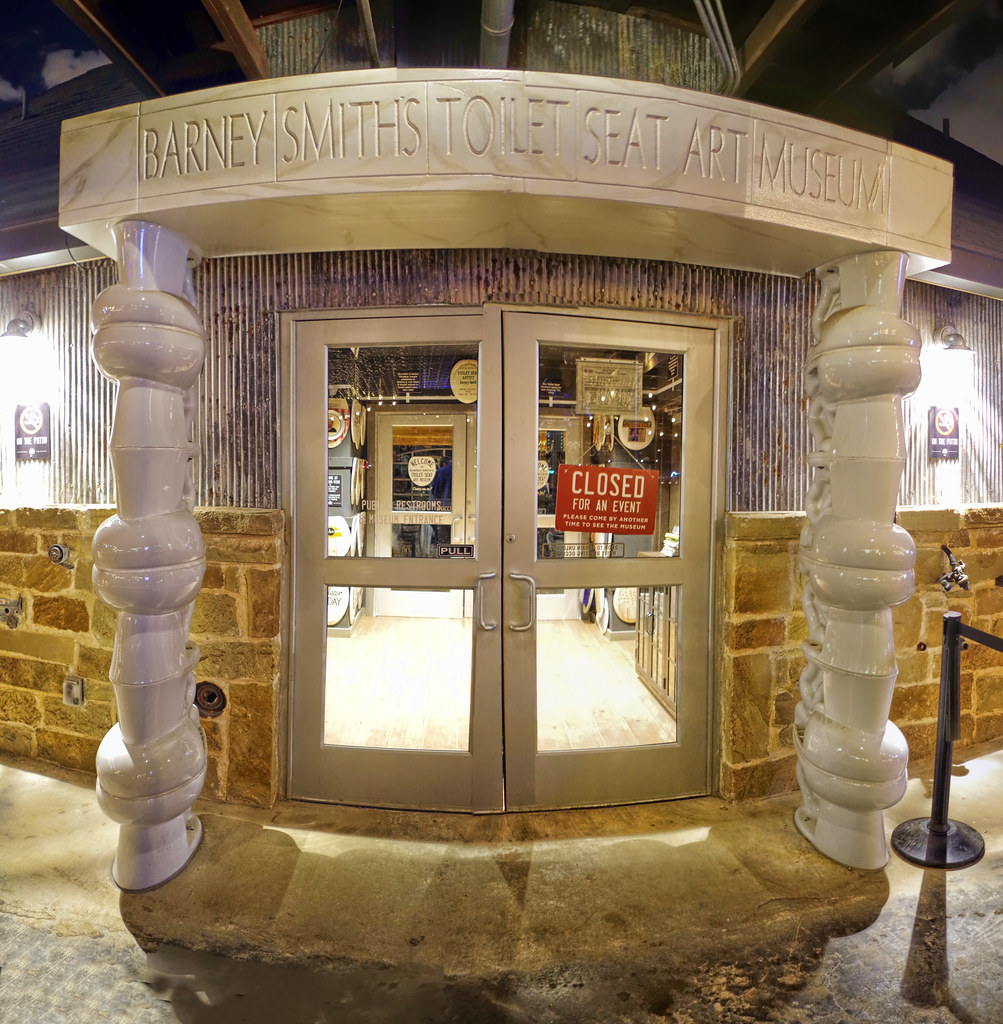

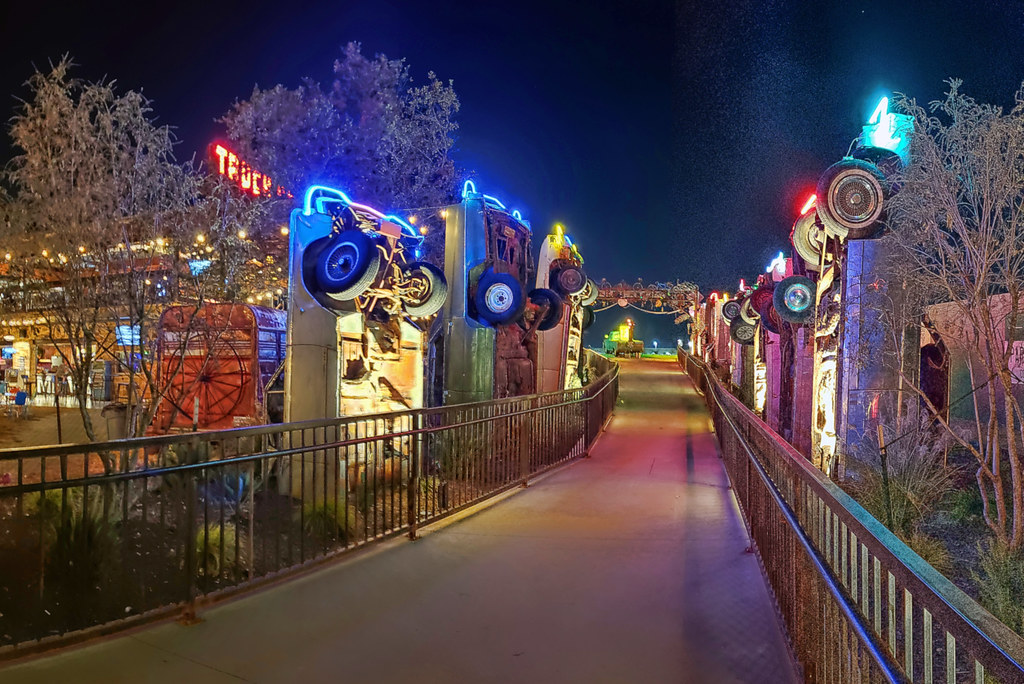
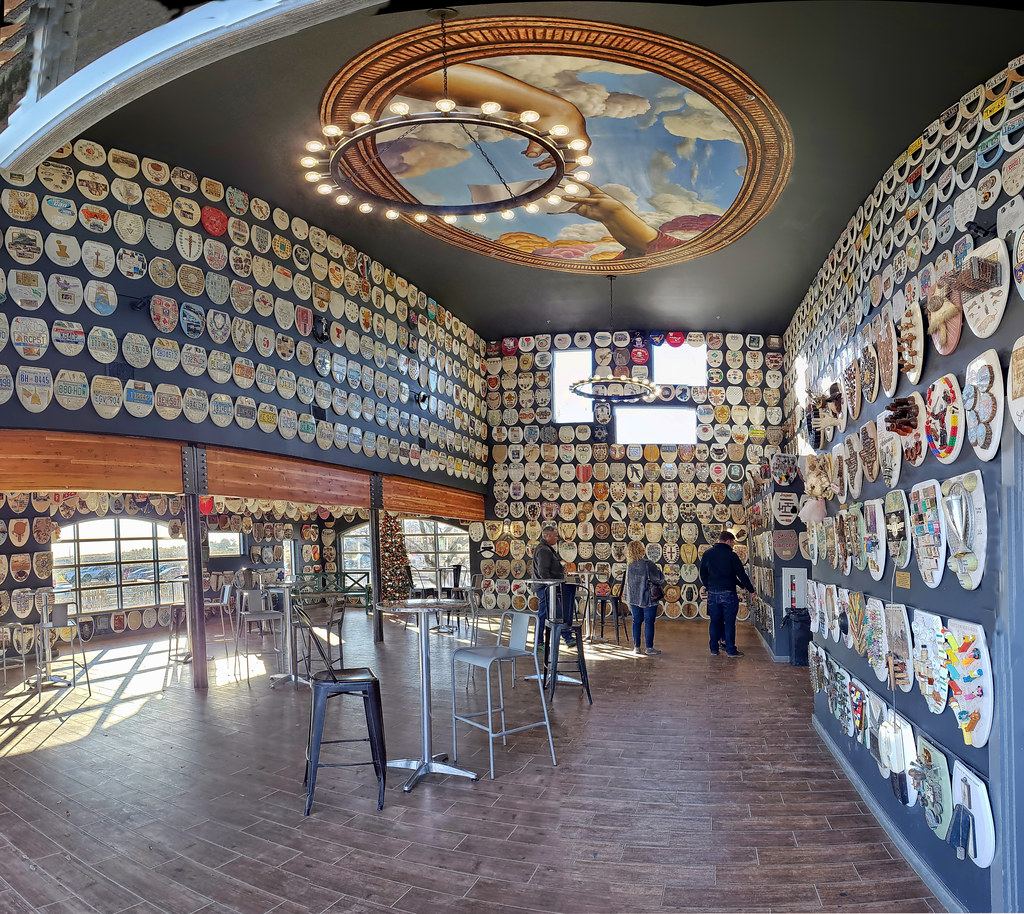
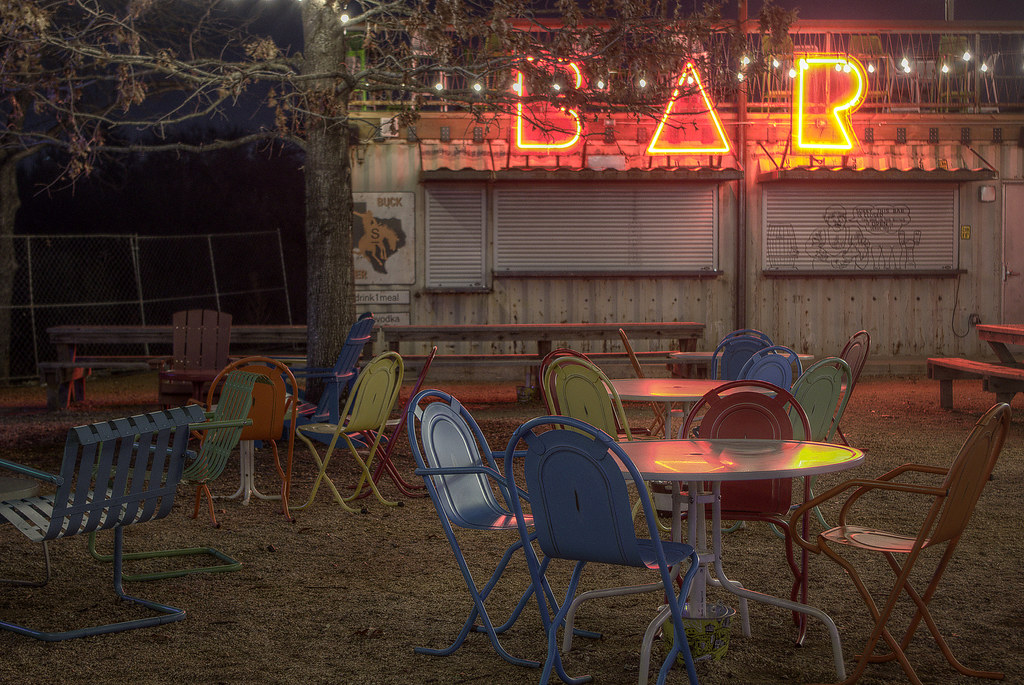
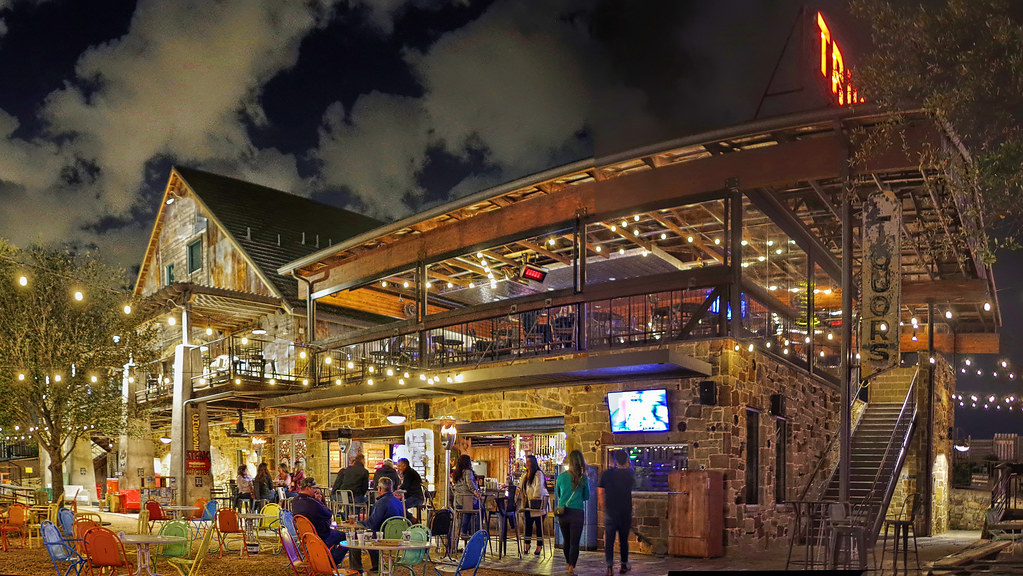
Thanks for the info. It's really cool and interesting. Huge like from me.It's called "high dynamic range" processing. The object is to get the exposure to the range of light in the photo to the medium. The problem is, if you over do it, it looks like a painting, or cartoonish. Some people can get really good results by overdoing it, but I prefer something that looks more like the image I experienced when I was there.
I usually do an HDR, and then blend it with the original image, to get it more like the image you'd actually see.
The reason for this, is the dynamic range of your eye is much greater than any sensor currently available.
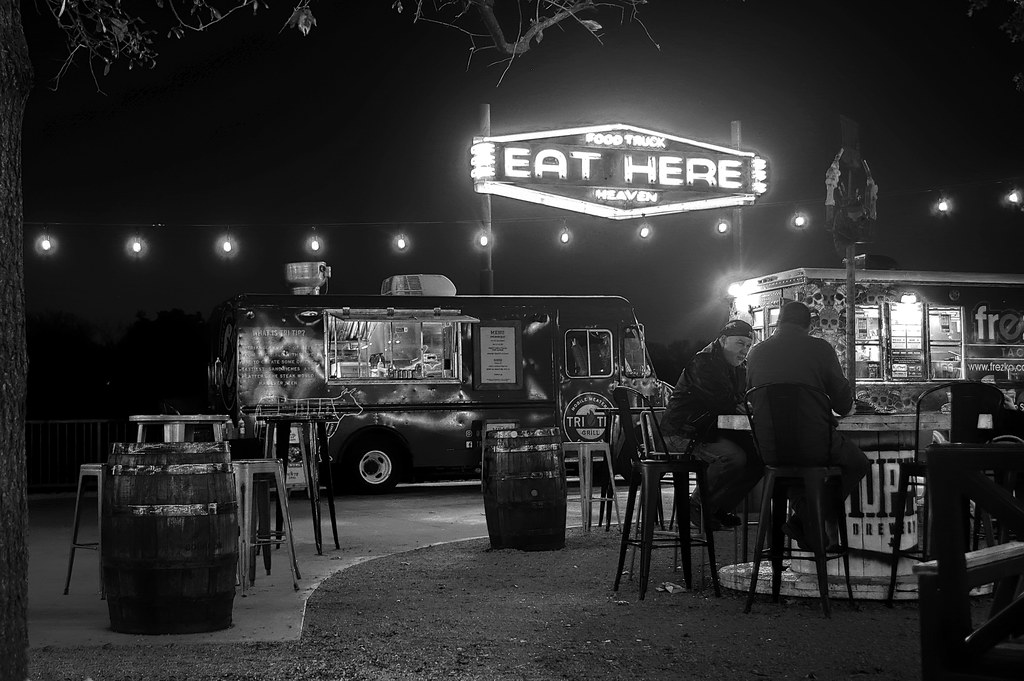
You might notice that the black and white looks somewhat like the "zone system" images pioneered by Ansel Adams. That's intentional. HDR does for digital something like zone system processing does for black and white.

Even if you're just a casual smart phone photographer, this method can work for you. Here's a very simplified (and free) software that automates most of the process for you (or you can use the options for more control):
https://autohdr.en.lo4d.com/windows
And you don't have to use multiple exposures as you would with a "real HDR" process. You'll get good results with just one image.
Yes, typically, I use three exposures, two stops either way. And while a tripod isn't strictly necessary, it's a very good idea.
What helps a lot, is a camera that will take raw images. These retain much more data than jpegs, and will result in better HDR images. In some cases, it's possible to take one raw image, and use a program like Raw Therapee to make three different exposures at three different ISOs, and then combine them to make an HDR. Some consider that to be "cheating", but if there's no visible difference, I really don't care.