

- Feb 5, 2002
- 185,892
- 68,373
- Country
- United States
- Gender
- Female
- Faith
- Catholic
- Marital Status
- Married
- Politics
- US-Others
Geoffrey Chaucer imagined a woman who even now feels progressive. She had a job, married several times, chose her own partners, inherited their money when they died, went on holiday without her husband, enjoyed having sex and also loved talking about it, got drunk with her friends, and protested that female storytellers don’t have enough opportunities. His Wife of Bath is a fiction, but her invented life reflects a reality for women in the late 14th century.
The medieval era is often characterised as a dark age. But some historians believe that for women in England, it was a golden one. Caroline Barron, for instance, argues that they had social and economic rights that vanished in later centuries. In the 14th century, she says, a widow inherited at least a third of her husband’s property. Women often gained domestic autonomy when they married, living in new households with their husband and children, rather than with their parents or in-laws. And they could keep money that they earned during their marriage.
Continued below.
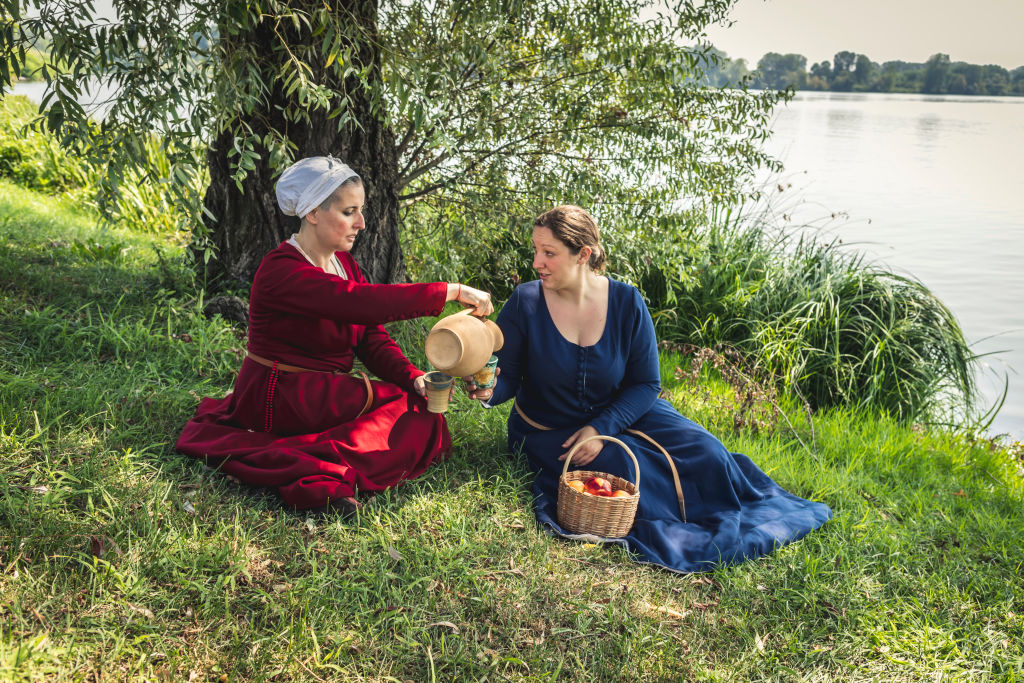
The medieval era is often characterised as a dark age. But some historians believe that for women in England, it was a golden one. Caroline Barron, for instance, argues that they had social and economic rights that vanished in later centuries. In the 14th century, she says, a widow inherited at least a third of her husband’s property. Women often gained domestic autonomy when they married, living in new households with their husband and children, rather than with their parents or in-laws. And they could keep money that they earned during their marriage.
Continued below.


 to be cute.. they smell ALLOT better today!


